
Anti-CEC Protests: Opposition Plans Supreme Court March as Delhi Tightens Security
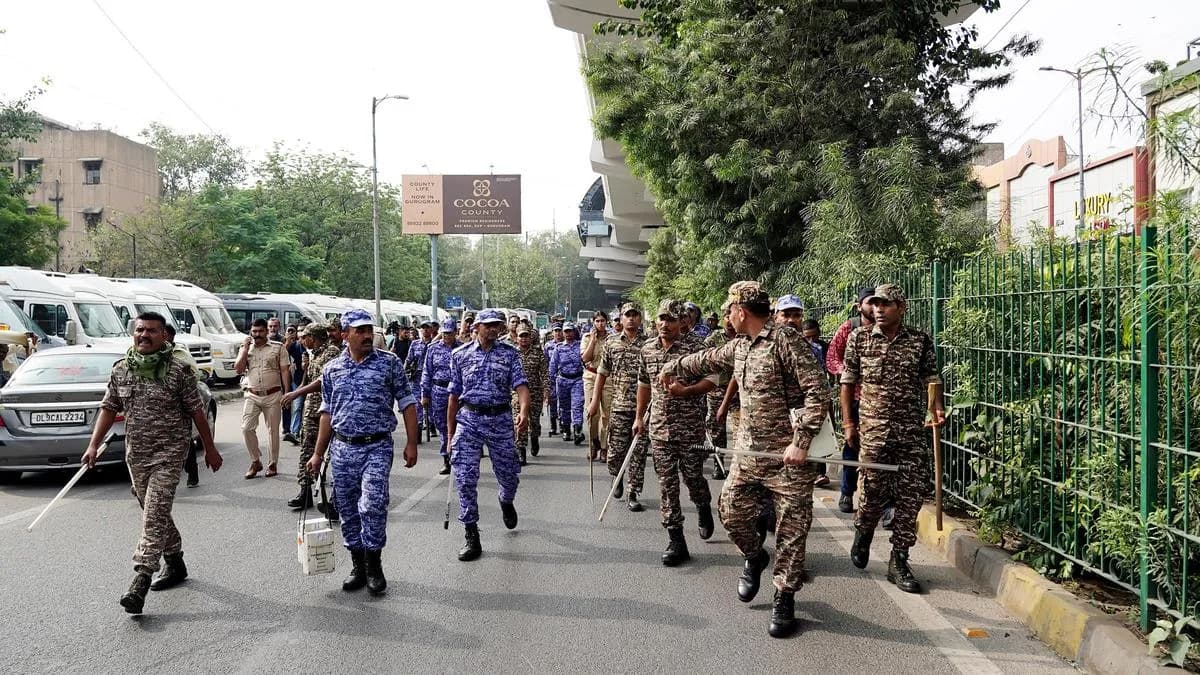
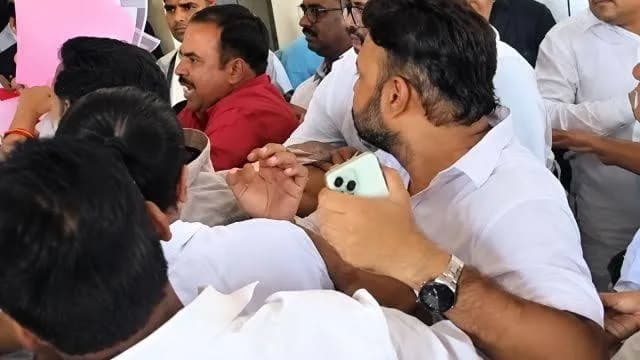
Opposition leaders are preparing to march to the Supreme Court on Monday, October 12, 2026, amid continuing protests over alleged electoral-roll irregularities and demands for the resignation of Chief Election Commissioner Gyanesh Kumar.
Security arrangements have been strengthened in parts of New Delhi ahead of the proposed demonstration. The protest comes amid growing political tensions over the Special Intensive Revision (SIR) of electoral rolls, with opposition parties raising concerns about voter-list changes and the functioning of the Election Commission.
The developments have also brought renewed attention to the right to peaceful assembly, restrictions on public spaces and the role of judicial institutions in addressing disputes involving electoral administration.
CJI Surya Kant Declines Meeting Request
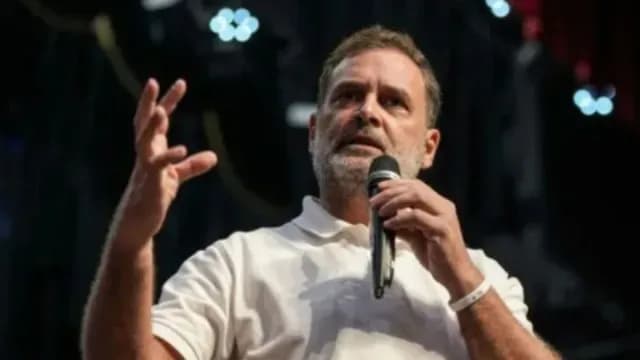
Chief Justice of India Surya Kant reportedly declined a request from Leader of the Opposition Rahul Gandhi for a meeting on October 12.
According to sources cited in the report, the request was declined because the issues likely to be raised were already sub judice before the Supreme Court. The sources also indicated that the court cannot use its administrative side to intervene in matters concerning governance and the functioning of the state.
The development comes as opposition leaders seek to raise concerns about alleged electoral malpractice and the SIR exercise. The reported decision should not be interpreted as a judicial ruling on the merits of the opposition's allegations.
Security Tightened Ahead of the March
Authorities have increased security in Delhi ahead of the planned opposition march. The Delhi Metro Rail Corporation announced that entry and exit at six metro stations would remain closed from 6 a.m. to 4 p.m. on Monday, October 12.
The temporary restrictions were announced in anticipation of the demonstration. Commuters were advised to account for the affected stations and possible changes to their travel plans.
Security deployment around sensitive locations reflects the authorities' preparations for the protest. The restrictions have also raised questions about how public safety measures can be balanced with citizens' ability to travel and participate in peaceful demonstrations.
Delhi High Court to Hear Jantar Mantar Closure Plea
The Delhi High Court has agreed to hear a petition challenging the closure of Jantar Mantar, according to the report. The hearing is scheduled for Tuesday, October 13.
Jantar Mantar has historically served as a designated location for public demonstrations in the capital. The challenge places the restrictions on access to the protest site under judicial scrutiny.
The outcome of the hearing may clarify the legal position concerning the closure and the conditions under which demonstrations can be held at the site. No outcome should be assumed before the court hears the matter and issues any directions.
Protests Spread Beyond Delhi
The protest over the demand for Gyanesh Kumar's resignation has also drawn activity outside the national capital.
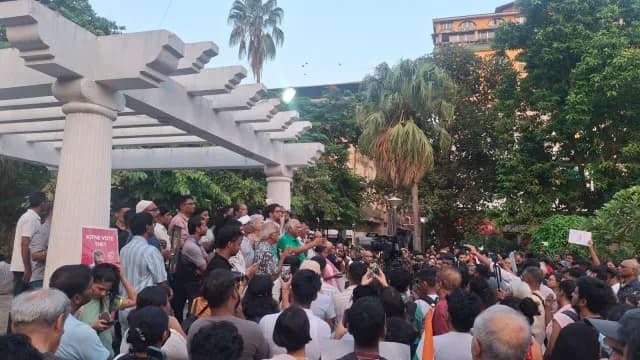
In Mumbai, police detained several people who had gathered near Shivaji Park in Dadar to demonstrate against the Chief Election Commissioner. Protesters claimed that police personnel had been deployed at several entry points around the park and that some people were detained before they could join the demonstration.
These accounts reflect the protesters' claims. Further official information would be needed to establish the circumstances of the detentions and the legal grounds cited by police.
SIR Dispute Fuels Political Tensions
The Special Intensive Revision of electoral rolls has become a major point of contention between opposition parties and the Election Commission. Opposition leaders have questioned the process and alleged that voter-list changes could affect eligible voters.
The opposition's proposed march is intended to bring these concerns to the attention of the Supreme Court and seek action on its demands, including the resignation of Chief Election Commissioner Gyanesh Kumar.
Allegations of electoral irregularities remain disputed and should be assessed against evidence, official records and any relevant judicial findings. The planned demonstration, the restrictions on public movement and the pending court proceedings represent separate developments in the wider dispute.
What Happens Next?
The immediate developments to watch are the opposition's planned march, the implementation of metro restrictions and the Delhi High Court's hearing on the Jantar Mantar closure.
The Supreme Court's handling of matters already before it, along with any further official responses from the Election Commission and the government, may shape the next stage of the controversy.
The dispute has placed electoral transparency, institutional accountability and the right to peaceful protest at the centre of a growing political confrontation.
Source: The Hindu Bureau, The Hindu
Updated: October 12, 2026, at 11:36 a.m. IST
Location: New Delhi, India
Join the discussion
Comments (0)