Youth and Opposition Protests Target CEC Gyanesh Kumar Over Electoral Roll Revision
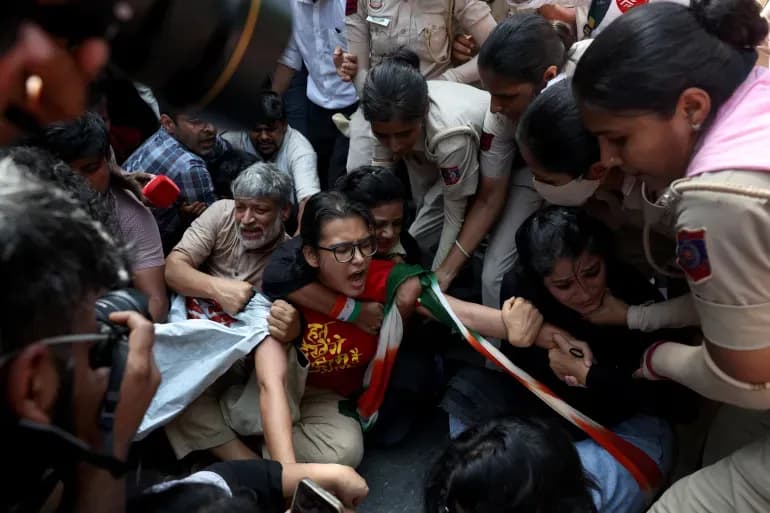
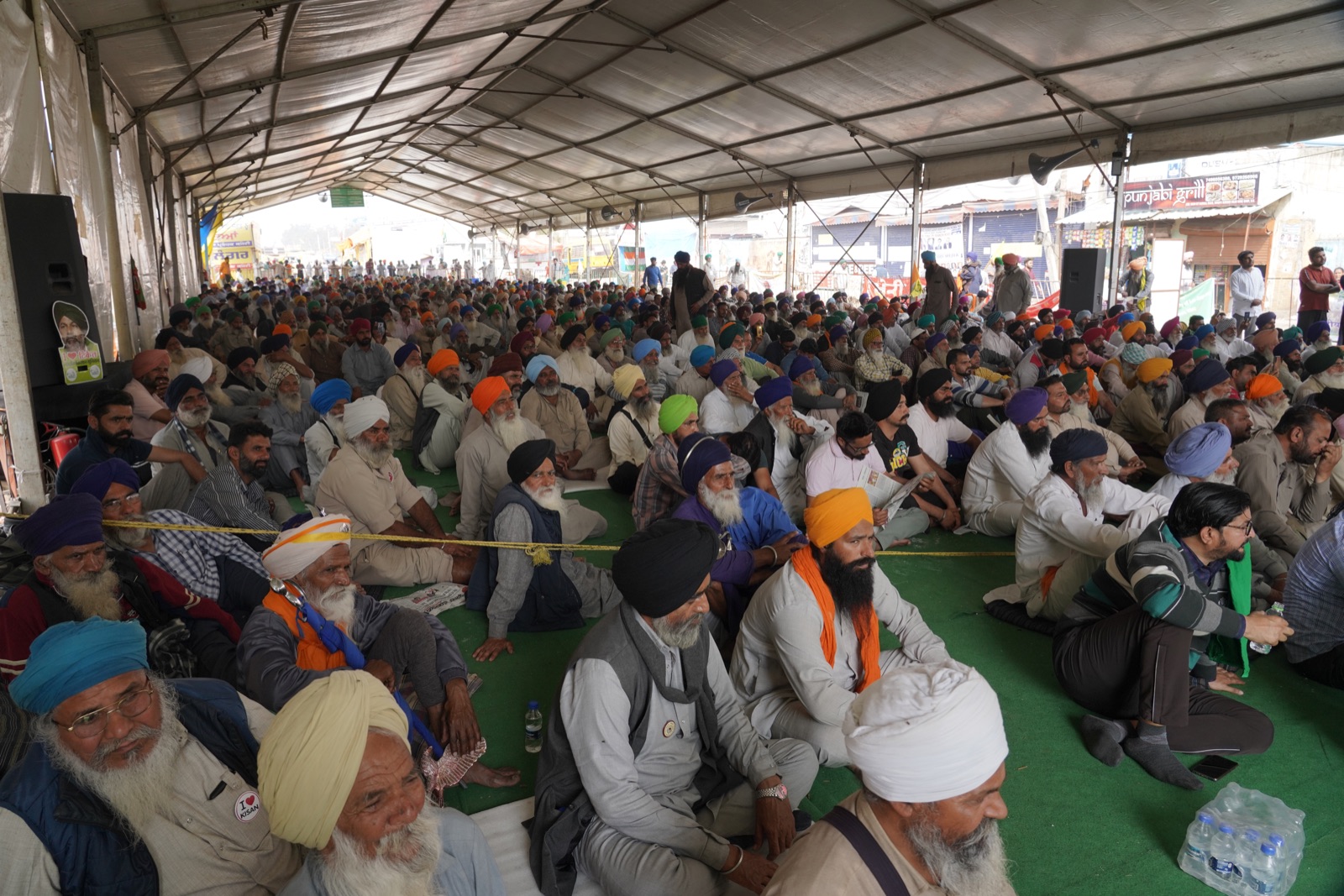
New Delhi, October 2, 2026: Hundreds of protesters were detained in New Delhi on Friday as student groups, youth activists and opposition parties demonstrated against Chief Election Commissioner Gyanesh Kumar and raised concerns over the Election Commission's ongoing Special Intensive Revision (SIR) of electoral rolls.
The protests were held around Jantar Mantar and other parts of central Delhi. Demonstrators demanded action against Kumar and questioned the functioning of the Election Commission, particularly its handling of electoral-roll revisions.
The demonstrations brought together members of the All India Students' Association (AISA), opposition parties, student organisations and civil society activists.
Protesters Demand Action Against Gyanesh Kumar
The central demand of the protesters was the resignation or removal of Chief Election Commissioner Gyanesh Kumar.
AISA national president Neha Bora was among those detained during the demonstration. AAP leaders, Congress workers and Left party leaders also participated in or joined the protests.
According to reports, police detained hundreds of people after groups attempted to gather and move towards the designated protest areas. Indian Express reported that more than 500 people were detained, while later reports put the figure at around 700.
The differing figures reflect reports from different stages of the day's police action.
SIR Becomes the Main Point of Dispute
The protests centred largely on the Special Intensive Revision of electoral rolls.
The Election Commission's revision exercise has triggered political and legal debate in several parts of India. Opposition parties and activists have raised concerns about the possibility of eligible voters being left out of electoral rolls during the verification process.
Critics have also alleged that large numbers of names have been removed from voter lists during the broader revision exercise. Such figures and allegations remain politically contested and should not be treated as independently established evidence of deliberate disenfranchisement.
The Election Commission has maintained that electoral-roll revision is part of its constitutional and statutory responsibilities and that the purpose of the exercise is to maintain accurate voter lists.
AISA and Youth Groups Join the Campaign
The latest demonstrations have given the youth-led protest movement a broader political focus.
N Sai Balaji, a senior AISA leader, said activists had been raising concerns about the Election Commission for some time. He argued that the right to vote was central to democratic participation and that questions surrounding voter-list revisions required public scrutiny.
The protests represent an expansion of the movement's earlier focus on education and youth-related issues.
Student activists have now joined opposition parties in raising concerns about electoral institutions and voter rights.
Rahul Gandhi Criticises the Election Chief
Leader of Opposition Rahul Gandhi has also criticised Gyanesh Kumar and the Election Commission.
According to the Al Jazeera report, Gandhi made strong allegations against the election chief and called for serious legal action.
These remarks form part of a wider opposition campaign questioning the functioning and independence of the Election Commission.
The allegations remain political claims, while the Election Commission has continued to defend the electoral-roll revision process.
Police Restrictions in Central Delhi
The October 2 protest took place amid heavy security deployment in central Delhi.
Police had not granted permission for the proposed Jantar Mantar gathering before the event, according to reports. Barricades were installed around roads leading towards the protest area, and authorities sought to prevent large groups from assembling.
Protesters were detained at several locations as they attempted to gather or move towards Jantar Mantar.
Among those detained were AISA president Neha Bora, AAP leaders and activists from opposition and student organisations.
Gyanesh Kumar's Administrative Background
Gyanesh Kumar became Chief Election Commissioner after serving in senior positions in the Union government.
His earlier administrative career has become part of the political debate surrounding the Election Commission because of his association with important government departments and policy decisions.
Supporters of the government point to his administrative experience, while critics have questioned whether his previous government service affects perceptions of institutional independence.
Those arguments remain part of the wider political dispute surrounding the Election Commission.
Opposition Parties Join the Protest
The October 2 demonstration was not limited to student activists.
AAP leaders, Congress workers, Left parties, RJD representatives and other opposition figures joined the campaign against the Chief Election Commissioner.
The participation of different opposition groups has given the issue a broader political dimension.
The protesters have connected their demands to questions about electoral transparency, voter rights and public confidence in election institutions.
A Broader Youth Movement
The latest demonstrations are linked to a wider youth movement that gained national attention earlier in 2026 through protests concerning education and employment.
The movement has since expanded its agenda to include wider governance and democratic issues.
The protesters' focus on the Election Commission represents a significant shift because electoral institutions affect political participation across the country rather than a single policy sector.
The movement's ability to sustain participation and coordinate with established political parties will be important to its future trajectory.
Debate Over Electoral Trust
The dispute over Gyanesh Kumar is ultimately connected to a larger debate about public confidence in India's electoral institutions.
Protesters and opposition parties argue that voter-list revisions must protect the rights of eligible citizens and be conducted transparently.
The Election Commission maintains that electoral-roll revision is necessary to ensure accurate and updated voter lists.
The disagreement over the SIR process has therefore become a major political issue, with both sides presenting different views about its implications for voters and the electoral system.
Protests Continue Beyond Delhi
The campaign against Gyanesh Kumar has also spread beyond the national capital.
On October 2, opposition and youth groups held demonstrations in Mumbai, where protesters also demanded action against the Chief Election Commissioner and raised objections to the SIR process.
Further demonstrations were expected in other cities as opposition groups and youth organisations continued to mobilise around electoral-roll issues.
The protests have placed the Election Commission, voter-list revision and the question of institutional trust at the centre of a growing political confrontation.
For now, the principal demands from protesters remain focused on accountability for the electoral-roll process and action against Chief Election Commissioner Gyanesh Kumar.

Join the discussion
Comments (0)