Women’s Reservation Takes Centre Stage as India Debates the Future of Political Representation | Indian Rajneeti
BREAKING
Uttar Pradesh Politics Heats Up as Yogi Adityanath Targets 115 Key Seats Ahead of 2027 Assembly Polls • Rajasthan Civic Polls 2026: Voting Begins as BJP Faces Rebel Challenge • Yogi Adityanath Targets 2027 UP Elections, Says BJP Will Return With a Grand Majority
Women’s Reservation Takes Centre Stage as India Debates the Future of Political Representation
Haripriya 8 Sept 2026 3 min read 63 views
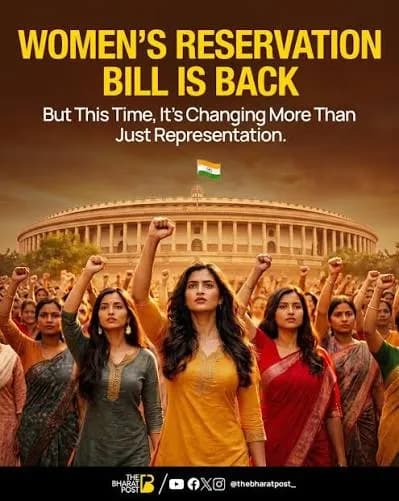
The question of women’s political representation is once again becoming an important issue in Indian national politics. Lok Sabha Speaker Om Birla recently highlighted the potential of the women's reservation law to create new opportunities for women in political leadership.
The discussion comes at a politically significant time, with parties already beginning to think about the 2029 Lok Sabha (opens in a new tab) election and the future structure of political representation in the country.
33% Reservation and Political Representation
The women's reservation law provides for 33% reservation for women in the Lok Sabha and state Legislative Assemblies. Its implementation is connected to the delimitation process, making the issue closely linked with the future composition of India's elected institutions.
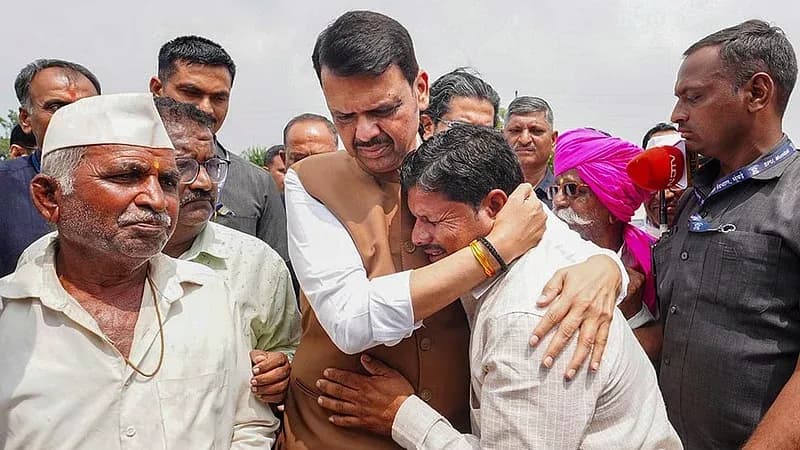
Maharashtra's decision to declare 265 talukas drought-affected has triggered questions from both ruling alliance leaders and the Opposition. While some areas represented by Mahayuti leaders have been excluded, the MVA has questioned the transparency of the assessment process.
The policy has the potential to significantly increase the number of women participating directly in national and state-level politics.
Supporters argue that greater representation could bring more attention to issues affecting women, families, healthcare, education and social development.
Parliament and the Political Debate
The question has also become part of the wider debate inside Parliament. An attempt to pass a constitutional amendment linking women's reservation with delimitation during the 2026 Budget Session did not secure the required two-thirds majority in the Lok Sabha.
The issue demonstrates how constitutional reforms can become part of a wider Political War (opens in a new tab) between the government and opposition.
While the government has emphasised the importance of increasing women's participation, opposition parties have raised questions about the timing, implementation process and delimitation.
What Could Change by 2029?
The next general election is expected by 2029, making the coming years particularly important for political parties preparing their organisational and electoral strategies.
Political parties (opens in a new tab) will have to consider how greater women's representation could affect candidate selection, constituency strategies and campaign organisation.
The implementation of the reservation could also encourage more women to enter electoral politics at both national and state levels.
Women and the Future of Indian Democracy
India has seen women occupy important political positions at every level, but women's representation in elected legislatures has historically remained lower than their share of the population.
The reservation framework could potentially change that equation.
For political parties, the challenge will be to move beyond simply meeting a numerical requirement and create meaningful opportunities for women leaders to participate in decision-making.
National Politics Enters a New Phase
The debate over women's reservation comes at a time when Indian Politics is already preparing for several major electoral and constitutional questions.
The 2029 election, delimitation, representation and the future role of political alliances are likely to become increasingly important subjects of national debate.
For voters, the key question will be whether political reforms result in greater participation and stronger representation.
Conclusion
Women's reservation could become one of the most important changes to India's political representation system in the coming years.
As Parliament and political parties continue debating its implementation, the issue is likely to remain an important part of India's national political conversation.
Indian Rajniti will continue tracking constitutional developments, Parliament, political parties, elections and major national political debates.
“The debate over women’s political representation has gained renewed attention as national leaders discuss the implementation of the 33% reservation for women in the Lok Sabha and state Assemblies ahead of the 2029 general election.”
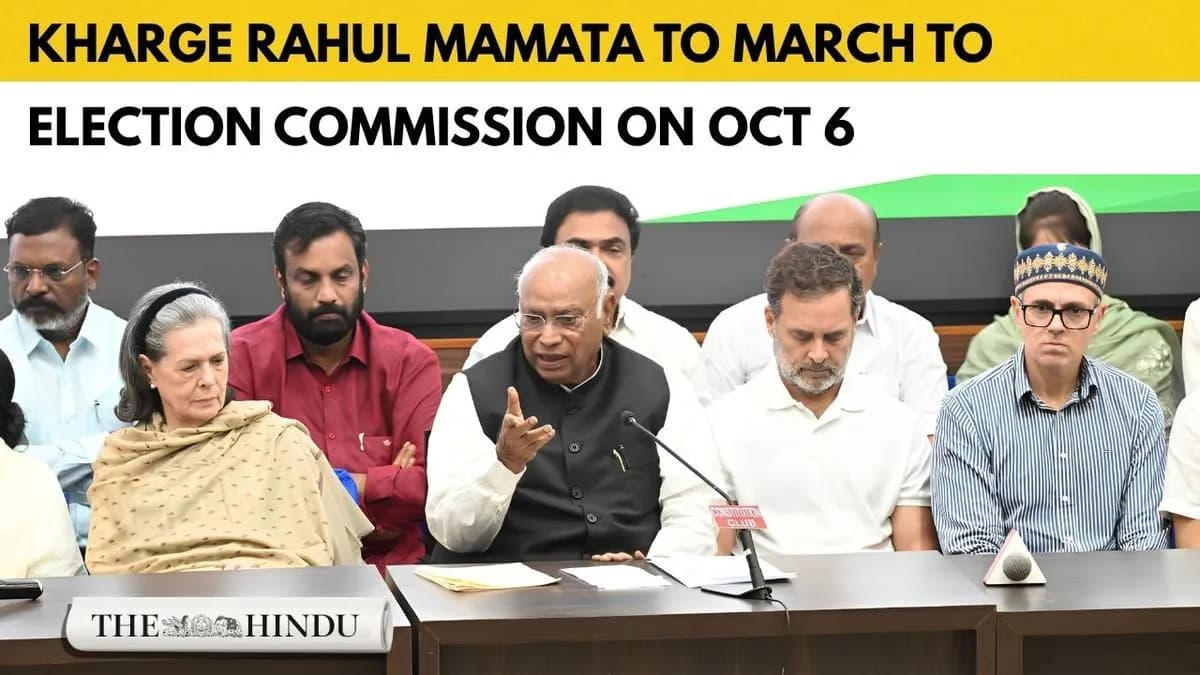
The INDIA bloc has announced a nationwide campaign over concerns related to the Election Commission and electoral processes. The Opposition plans protests, a march to the Election Commission headquarters, and a legal challenge to provisions of the Chief Election Commissioner Act, 2023.
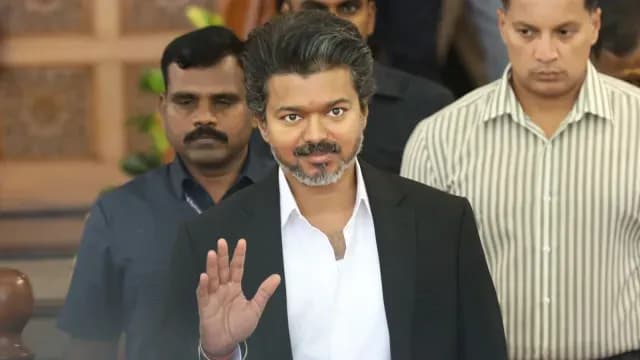
Discussions between Chief Minister C. Joseph Vijay's Tamilaga Vettri Kazhagam (TVK) and the Pattali Makkal Katchi (PMK) have intensified, with reports suggesting alliance talks and possible Cabinet representation. However, no official announcement has been made by either party.
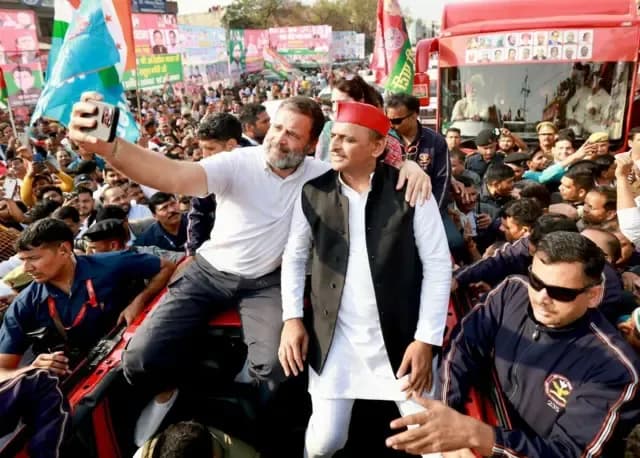
With the Uttar Pradesh Assembly election approaching in 2027, the Samajwadi Party and Congress are working to strengthen their alliance after their improved performance in the 2024 Lok Sabha elections. Political observers believe the opposition has an important opportunity, but unity and effective seat-sharing will be crucial.