Uttar Pradesh Politics Heats Up as Yogi Adityanath Targets 115 Key Seats Ahead of 2027 Assembly Polls • Rajasthan Civic Polls 2026: Voting Begins as BJP Faces Rebel Challenge • Yogi Adityanath Targets 2027 UP Elections, Says BJP Will Return With a Grand Majority
Maharashtra Politics: Power Struggle and New Challenges Shape the State’s Political Landscape
Haripriya 8 Sept 2026 2 min read 189 views
Maharashtra remains one of India’s most politically important states, with developments in Mumbai, Pune, Nagpur and other regions often influencing the broader national political conversation.
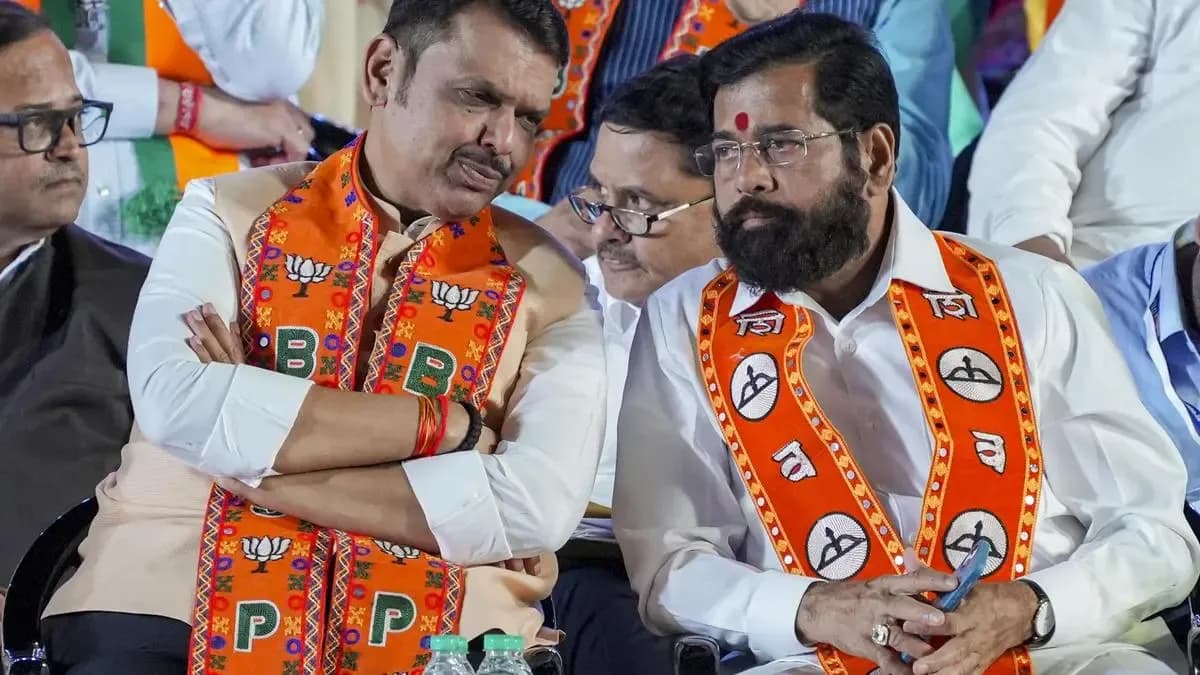
The state has witnessed major changes in its political landscape in recent years, with shifting alliances, new political formations and intense competition between established parties. These developments have made Maharashtra politics one of the most closely watched political battles in the country.
Changing Political Equations
The competition between political parties is not limited to elections. Leadership, organisational strength, public support and policy decisions all play an important role in determining the direction of Maharashtra politics.
The continuing Political War between rival political camps has made issues such as governance, development, infrastructure, employment and welfare schemes central to political discussions.
Maharashtra's decision to declare 265 talukas drought-affected has triggered questions from both ruling alliance leaders and the Opposition. While some areas represented by Mahayuti leaders have been excluded, the MVA has questioned the transparency of the assessment process.
Political leaders are also focusing on strengthening their organisations at the grassroots level. Mumbai's civic politics, rural Maharashtra and regional issues are expected to remain important areas of political competition.
Assembly Politics Takes Centre Stage
The Maharashtra Legislative Assembly continues to be an important platform for political debate. Discussions surrounding government policies, development projects, budgets and public welfare regularly become subjects of political confrontation.
The Vidhan Sabha (opens in a new tab) is also where the ruling government and opposition parties directly debate major issues affecting the people of Maharashtra.
Opposition leaders are expected to use Assembly discussions to question government decisions, while the ruling side will focus on highlighting its development and welfare agenda.
Mumbai and Regional Politics
Mumbai remains at the heart of Maharashtra's political and economic landscape. Decisions concerning transport, housing, infrastructure, urban development and civic services can have a major impact on voters.
At the same time, political issues in Vidarbha, Marathwada, Western Maharashtra and other regions can influence the state's electoral calculations.
Political parties therefore need to balance urban concerns with rural development and regional expectations.
What Do Voters Want?
Maharashtra's voters are increasingly paying attention to issues beyond traditional party politics. Employment opportunities, inflation, infrastructure, education, healthcare and local development are likely to influence public sentiment.
Different Opinions (opens in a new tab) about government performance and political leadership can shape the narrative before future elections.
Social media has also become an important platform for political communication, allowing parties and leaders to directly reach voters and influence public discussions.
For the government, maintaining political stability while delivering development will remain an important challenge. For opposition parties, building a united strategy and presenting a strong alternative will be equally important.
With its large electorate, economic importance and diverse political landscape, Maharashtra will continue to remain a crucial state in Indian politics.
Indian Rajniti will continue covering Maharashtra politics, political leaders, government decisions, Assembly developments and changing public sentiment across the state.
“Maharashtra’s political landscape continues to evolve as parties compete for influence, governance remains under scrutiny, and changing voter expectations shape the state’s future political direction.”
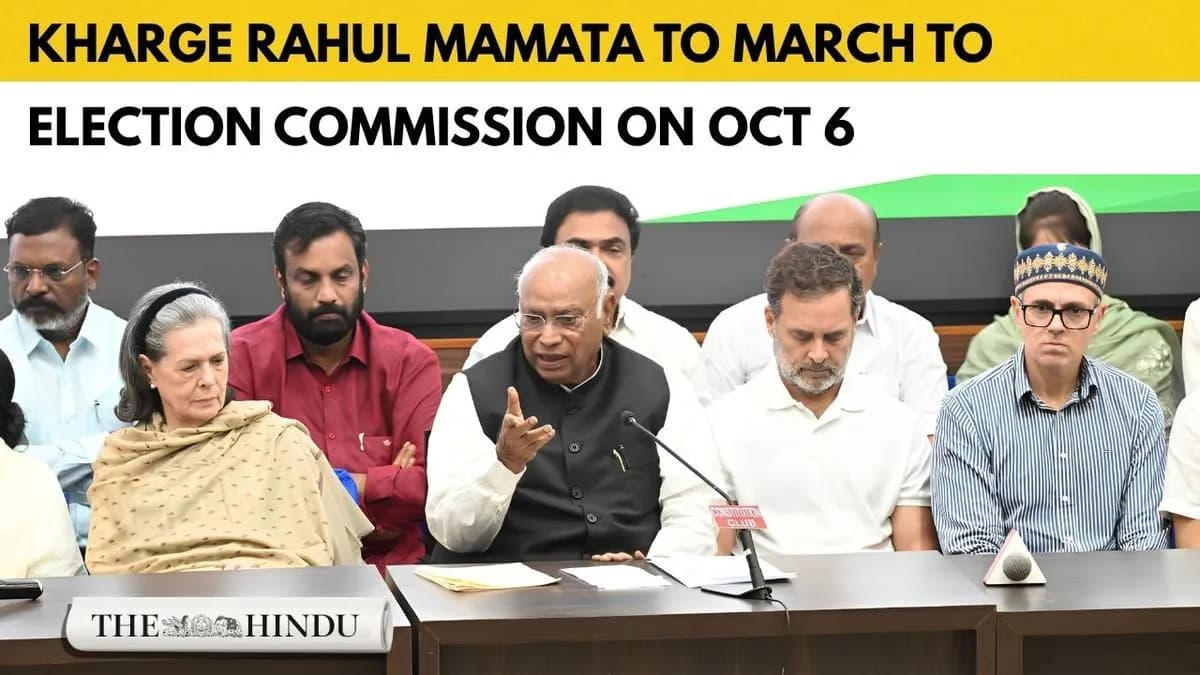
The INDIA bloc has announced a nationwide campaign over concerns related to the Election Commission and electoral processes. The Opposition plans protests, a march to the Election Commission headquarters, and a legal challenge to provisions of the Chief Election Commissioner Act, 2023.
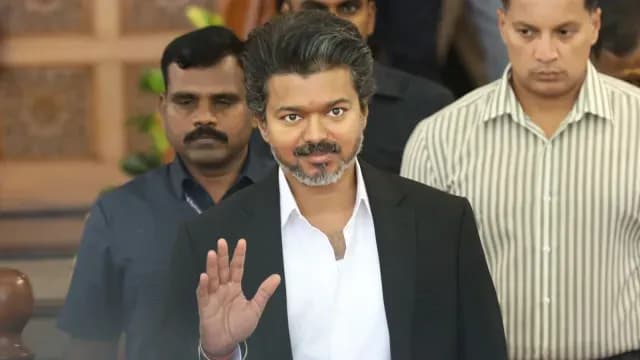
Discussions between Chief Minister C. Joseph Vijay's Tamilaga Vettri Kazhagam (TVK) and the Pattali Makkal Katchi (PMK) have intensified, with reports suggesting alliance talks and possible Cabinet representation. However, no official announcement has been made by either party.
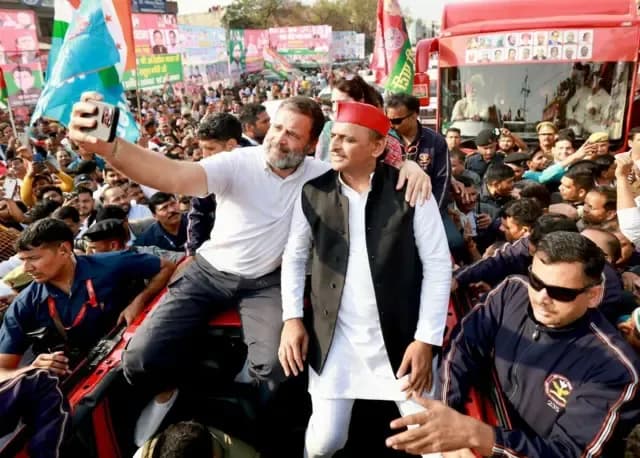
With the Uttar Pradesh Assembly election approaching in 2027, the Samajwadi Party and Congress are working to strengthen their alliance after their improved performance in the 2024 Lok Sabha elections. Political observers believe the opposition has an important opportunity, but unity and effective seat-sharing will be crucial.