Andhra Pradesh Politics: Chandrababu Naidu Pushes TDP Leaders to Prepare for Local Body Elections | Indian Rajneeti
BREAKING
Uttar Pradesh Politics Heats Up as Yogi Adityanath Targets 115 Key Seats Ahead of 2027 Assembly Polls • Rajasthan Civic Polls 2026: Voting Begins as BJP Faces Rebel Challenge • Yogi Adityanath Targets 2027 UP Elections, Says BJP Will Return With a Grand Majority
Andhra Pradesh Politics: Chandrababu Naidu Pushes TDP Leaders to Prepare for Local Body Elections
Haripriya 10 Sept 2026 5 min read 116 views
Andhra Pradesh Politics Turns Towards Local Body Elections
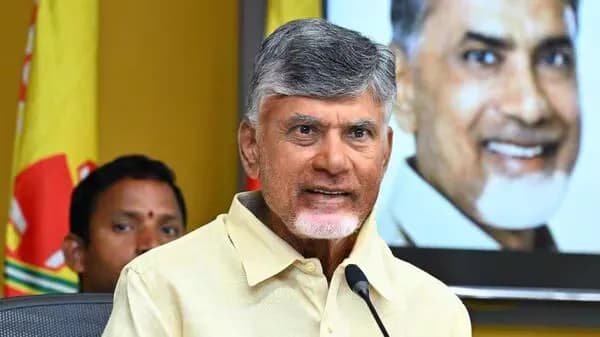
Andhra Pradesh politics is entering an important phase as Chief Minister and TDP president N Chandrababu Naidu has directed party leaders to prepare aggressively for the upcoming local body elections.
Speaking at a TDP leadership conclave, Naidu asked party leaders and elected representatives to take the government’s welfare and development programmes directly to the people. He also called on the party organisation to respond quickly to opposition criticism and what the TDP describes as misinformation.
The instructions indicate that the ruling alliance is already preparing for a major grassroots political contest. Naidu has reportedly set an ambitious target for the alliance and asked leaders to maintain unity while working towards victory in local elections.
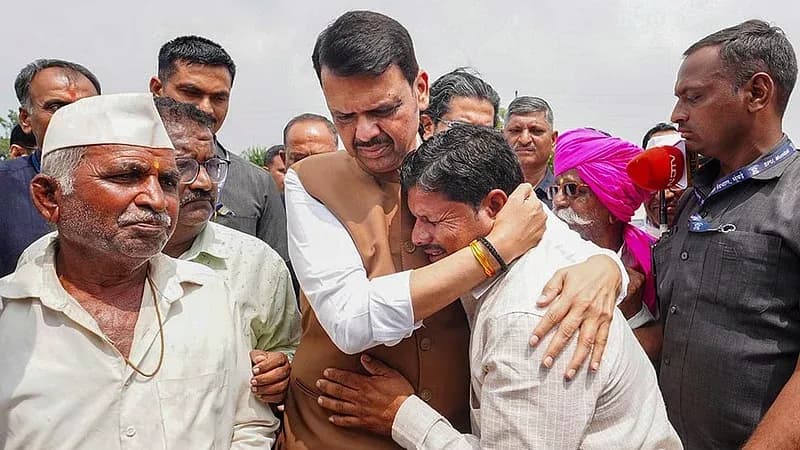
Maharashtra's decision to declare 265 talukas drought-affected has triggered questions from both ruling alliance leaders and the Opposition. While some areas represented by Mahayuti leaders have been excluded, the MVA has questioned the transparency of the assessment process.
Local body elections are particularly important because they provide political parties (opens in a new tab) with an opportunity to test their organisational strength at the village, mandal, municipal and constituency levels.
For the TDP-led alliance, success in these elections could strengthen the government's political position beyond the Assembly. It could also demonstrate whether the ruling coalition has been able to build an effective organisation at the grassroots level.
Naidu has therefore asked constituency-level leaders to become more active and communicate government achievements to voters.
The Chief Minister has also stressed the importance of selecting suitable candidates. According to reports, he instructed party leaders to identify strong candidates while ensuring that the selection process remains transparent and does not create unnecessary controversy.
Social Media Becomes a Major Political Tool
One of the notable aspects of Naidu's strategy is the emphasis on social media.
The TDP leadership has been asked to use social media platforms and the party's organisational tools to communicate government schemes and respond to criticism.
This reflects a broader transformation in Indian Politics, where political parties increasingly depend on digital communication to reach voters.
For state-level parties, social media has become particularly important because it allows leaders to respond to allegations quickly and promote government achievements without relying entirely on traditional media.
Naidu has asked TDP leaders to counter what he described as false propaganda and misinformation regarding government policies and recruitment programmes.
The strategy suggests that the upcoming local body elections could see a strong digital campaign alongside traditional door-to-door political mobilisation.
Alliance Unity Remains Important
The TDP is governing Andhra Pradesh in alliance with its political partners, making coordination an important issue ahead of the local elections.
Naidu has reportedly warned party leaders against personal rivalries and factional politics (opens in a new tab). He stressed the need for alliance partners to work together and maintain what he described as team spirit.
For the ruling coalition, maintaining unity at the local level could be more difficult than managing the alliance at the state level. Local elections often involve competing ambitions among leaders and potential candidates.
Candidate selection, seat-sharing and local political rivalries could therefore become sensitive issues.
The leadership's emphasis on discipline indicates that the TDP wants to prevent internal disagreements from weakening its electoral campaign.
Government Schemes Become a Political Weapon
Naidu has also asked party leaders to highlight welfare and development programmes implemented by the government.
The ruling party is expected to use these schemes as an important part of its election campaign.
The strategy is straightforward: communicate government achievements to voters while presenting opposition criticism as politically motivated or misleading.
At the same time, opposition parties are likely to focus on issues where the government has faced criticism.
This could create a new Political War over development, welfare delivery, employment, recruitment and local governance.
The effectiveness of the government's communication strategy will depend on whether voters at the grassroots level believe that announced schemes have actually produced visible improvements in their communities.
Water and El Nino Concerns Add Another Challenge
Naidu's leadership meeting also addressed the impact of El Nino and the possibility of water-related challenges in Andhra Pradesh.
The Chief Minister reportedly warned that some parts of the state, particularly Rayalaseema, could face greater difficulties because of prevailing weather conditions. He called for water conservation and coordination among ministers, MLAs, MPs and local representatives.
Water management could become an important political issue if shortages affect farmers, industries or households.
For the government, this means that election preparation cannot be separated completely from governance. The performance of local administrations and the government's response to water-related challenges could influence voter sentiment.
Opposition Faces a Different Challenge
The opposition in Andhra Pradesh is likely to use the local elections to test the government's popularity.
Opposition parties can focus on shortcomings in welfare delivery, employment, recruitment, infrastructure and local development.
The TDP leadership's instruction to counter criticism quickly suggests that the ruling party expects opposition attacks to increase as elections approach.
This could lead to a highly competitive political environment in which both sides attempt to control the narrative through public meetings, social media and grassroots campaigning.
Youth Politics and Digital Campaigning
Young voters are likely to remain an important part of the political conversation.
With political communication increasingly moving online, parties are expected to focus on employment, education, recruitment opportunities, entrepreneurship and development.
Youth Politics in Andhra Pradesh could therefore become closely connected with digital campaigning.
The TDP's emphasis on social media indicates that the party wants its younger cadre to become more active in communicating government policies and responding to political criticism.
At the same time, opposition parties can use the same platforms to question the government's record.
What Could Happen Next?
The coming weeks are likely to see increased political activity across Andhra Pradesh as parties prepare for the local body elections.
For the TDP-led government, the immediate priorities will be maintaining alliance unity, selecting candidates, promoting welfare schemes and ensuring that local-level leaders remain connected with voters.
For the opposition, the elections will provide an opportunity to challenge the government's narrative and demonstrate its own organisational strength.
The contest will therefore be more than a battle for local seats. It could become an important test of the political strength of the ruling alliance.
The TDP's preparations show that the party is already treating the local body elections as a major political opportunity. Whether its strategy of welfare messaging, digital campaigning and grassroots mobilisation translates into electoral success will become clearer once voters go to the polls.
For Andhra Pradesh politics, the next stage is likely to be defined by Political Parties, alliance management, local candidate selection and the battle over competing claims of development.
“Andhra Pradesh Politics is shifting towards the upcoming local body elections as Chief Minister N Chandrababu Naidu asks TDP leaders to strengthen grassroots organisation, promote government schemes and counter opposition criticism. The focus on alliance unity and social media is also becoming a key part of the ruling party’s strategy.”
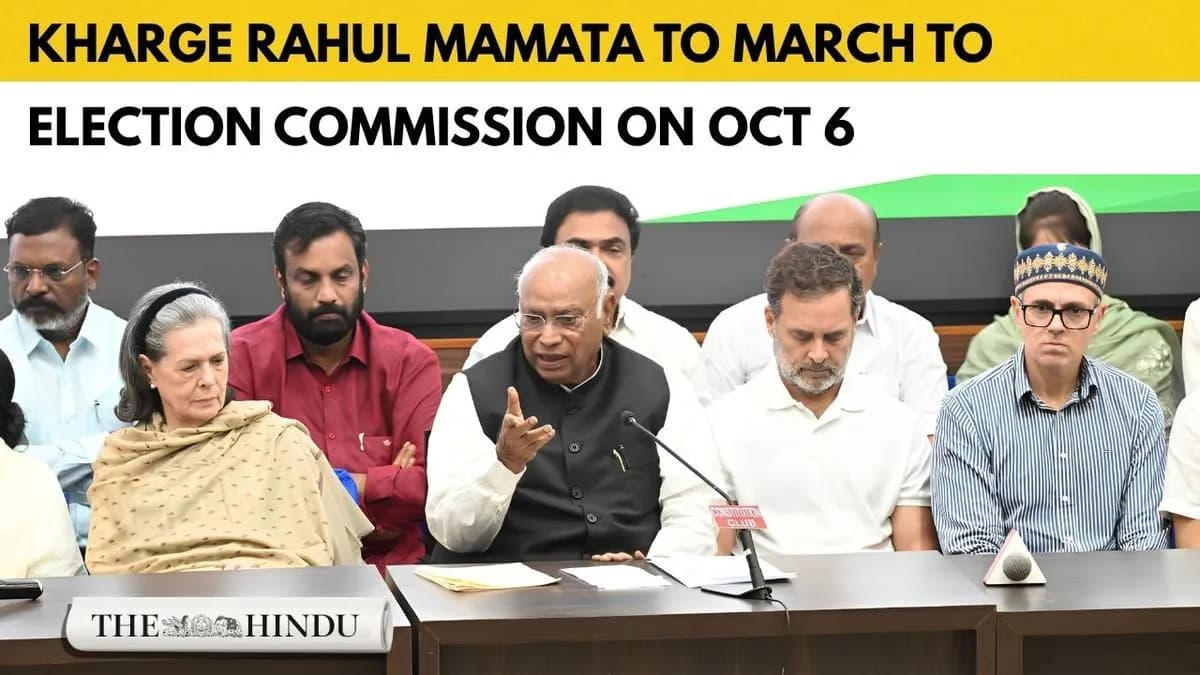
The INDIA bloc has announced a nationwide campaign over concerns related to the Election Commission and electoral processes. The Opposition plans protests, a march to the Election Commission headquarters, and a legal challenge to provisions of the Chief Election Commissioner Act, 2023.
Discussions between Chief Minister C. Joseph Vijay's Tamilaga Vettri Kazhagam (TVK) and the Pattali Makkal Katchi (PMK) have intensified, with reports suggesting alliance talks and possible Cabinet representation. However, no official announcement has been made by either party.
With the Uttar Pradesh Assembly election approaching in 2027, the Samajwadi Party and Congress are working to strengthen their alliance after their improved performance in the 2024 Lok Sabha elections. Political observers believe the opposition has an important opportunity, but unity and effective seat-sharing will be crucial.